If you searched for windows recall disable, you likely want more control over your computer. That is a smart choice. Windows Recall can help some users find past screen activity. Still, many people do not want their PC saving snapshots of what they do. Privacy should feel simple. You should know what is active and how to turn it off when you need peace of mind.
This guide explains windows recall disable in clear and simple steps. You will learn what Recall does, how to turn it off and what to check after disabling it. Microsoft says Recall is available on supported Copilot+ PCs and snapshot settings can be managed from Windows privacy controls. You can also delete saved snapshots and control storage use.
How To Disable Windows Recall
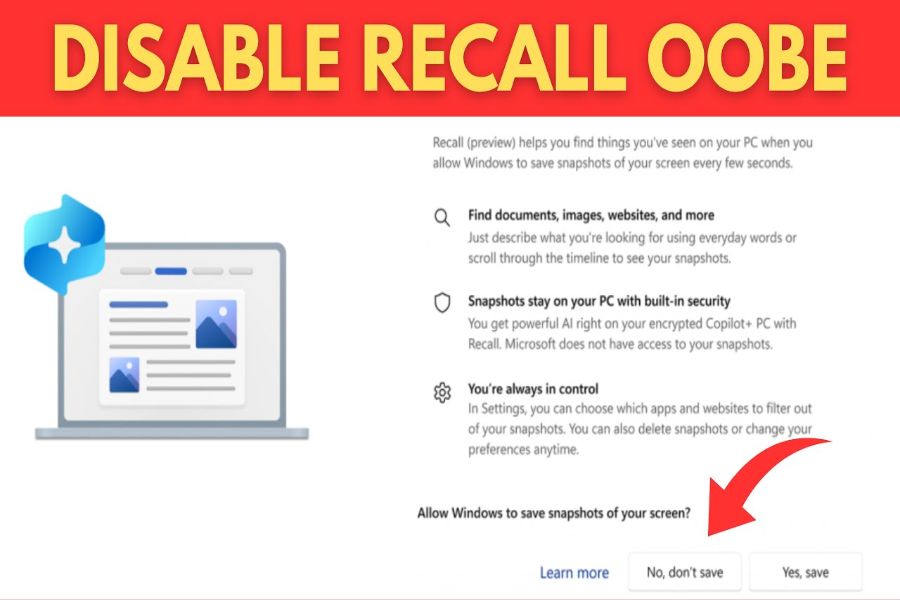
How To Disable Windows Recall starts in the Windows Settings app. Open Settings and go to Privacy & security. Then find Recall & snapshots. Turn off the option that saves snapshots. This stops Windows from saving new Recall screen captures. This is the easiest windows recall disable method for most home users. It does not need extra tools. It also keeps you away from risky third-party apps.
After you turn it off, check if saved snapshots are still there. Turning off new snapshots does not always mean every old snapshot is removed. Microsoft says you can delete all snapshots or delete snapshots from a selected time range. This is an important part of windows recall disable because old data can still matter. If privacy is your main goal, stop future snapshots and delete past ones too.
How To Turn Off Windows Recall
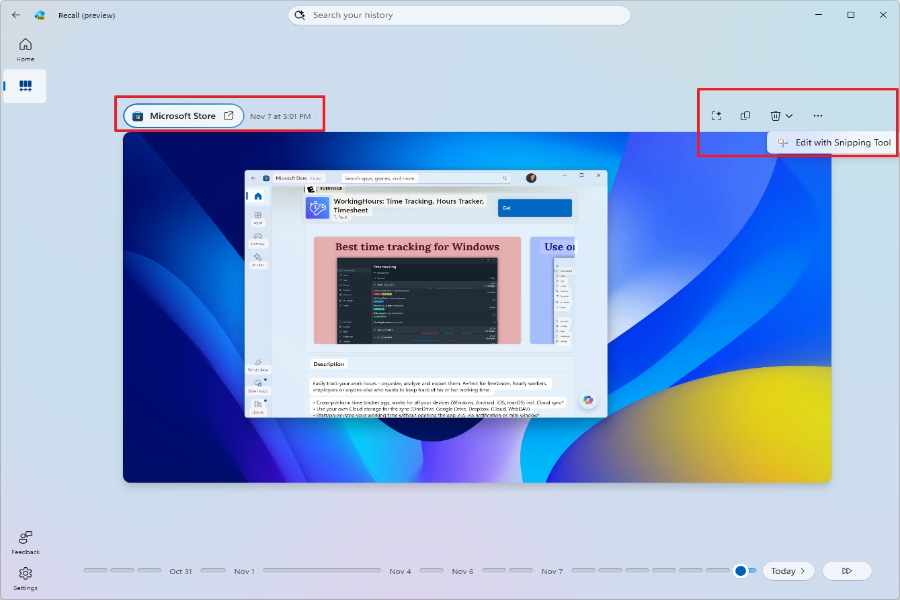
How To Turn Off Windows Recall can also mean pausing Recall before you disable it fully. Some users may only need a short break from screen history. Recall settings may let you pause snapshot saving or filter apps and websites. This helps if you want to keep Recall for some tasks but block sensitive activity. Still, a full windows recall disable setup is better if you do not want screen snapshots saved.
Use filters only when you trust yourself to manage them well. A missed app or website may still appear in saved activity. Microsoft notes that users can remove content related to apps or websites from saved snapshots when needed. That is helpful, but it adds extra work. A simple windows recall disable choice gives stronger peace of mind. It is often the better option for shared PCs and work laptops.
Disable Recall Windows 11
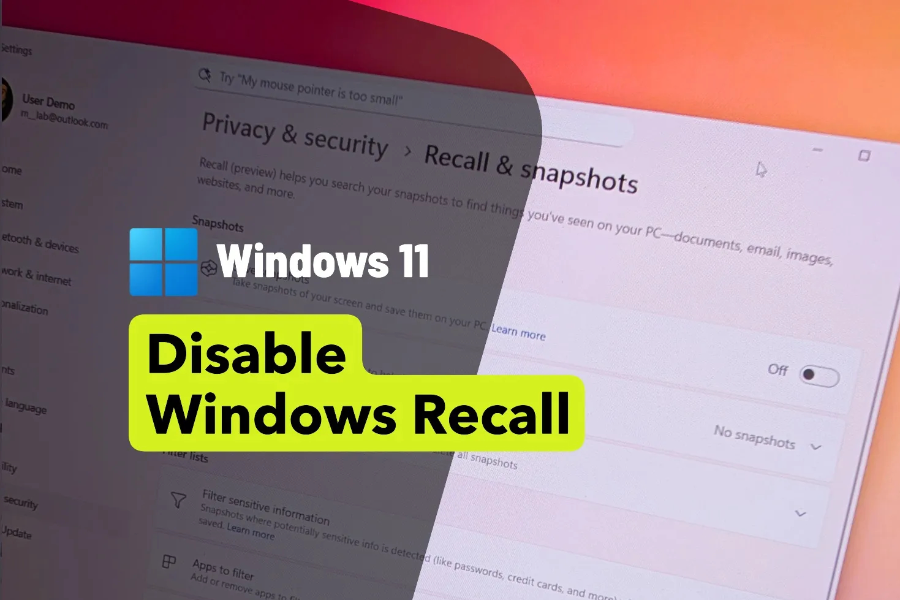
Disable Recall Windows 11 is a common search because many users first hear about Recall through privacy discussions. Recall is made to help you retrace things you saw on your PC. It can be useful when you forget a page, file or app screen. But it also deals with screen activity. That is why windows recall disable is a reasonable setting for users who value privacy more than search history.
Before you disable it, check if your device supports Recall. Not every Windows 11 PC has it. Recall is linked to supported Copilot+ PCs. If you do not see Recall settings, your device may not have the feature active. Do not download random tools that claim to remove it. For a safe windows recall disable process, use built-in Windows settings first and only trust Microsoft or admin guidance.
Windows 11 Recall Disable
Windows 11 Recall Disable may also be handled by an IT admin on work or school devices. Microsoft Learn explains that admins can manage Recall settings for Windows clients through policy. It also mentions controls for snapshot storage. Some managed devices may block users from changing the setting alone. If your setting is locked, ask your organization before trying advanced changes.
Home users usually do not need advanced policy steps. Settings should be enough in most cases. If you see guides about Registry or Group Policy, follow them only if you understand the risk. A wrong change can cause system issues. The safest windows recall disable method is still the normal Settings path. It is simple, clear and easy to reverse if you ever decide to use Recall later.
Read More: How To Start My Own Plumbing Business, How To Build 9 Trusted Clients
Final Thoughts
A good windows recall disable setup is not hard. You only need to know where to look and what to remove. Turn off snapshot saving first. Then delete saved snapshots if you want a cleaner privacy reset. Review filters and storage settings if you plan to keep Recall partly active. Microsoft says Recall includes options for managing snapshots, disk space and saved data.
The best choice depends on how you use your PC. If you handle private files, client work, banking pages or personal chats, windows recall disable can be a smart privacy move. Recall may help some users, but it is not for everyone. Your screen history belongs to you. Keep Windows updated, avoid unsafe tools and check privacy settings after major updates. That simple habit can protect you from many problems.
FAQs About Windows Recall Disable
Q1. What is the easiest windows recall disable method?
The easiest method is through Settings. Go to Privacy & security, open Recall & snapshots and turn off snapshot saving.
Q2. Does disabling Recall delete old snapshots?
Not always. You should delete saved snapshots from the Recall settings area if you want old screen history removed too.
Q3. Is Recall available on every Windows 11 computer?
No. Recall is mainly available on supported Copilot+ PCs. Many Windows 11 devices may not show Recall settings.
Q4. Can I pause Recall instead of disabling it?
Yes. You may be able to pause snapshot saving. Still, disabling is better if you do not want new snapshots saved.
Q5. Is windows recall disable useful for privacy?
Yes, This stops screenshots being saved. This is useful if you use shared computers, work files or want to browse privately.
Q6. Should I use third-party tools to disable Recall?
It is better to avoid them. Use Windows settings first because random tools can create security or system problems.
Q7. Can I turn Recall back on later?
Yes. If your PC supports Recall, you can return to the settings and turn snapshot saving back on later.
Q8. What should I check after disabling Recall?
Check that snapshot saving is off. Then delete saved snapshots and check your storage settings for extra peace of mind.

Dived shares meaningful prayers, faith-inspired messages, blessings, and spiritual insights to bring peace, hope, and divine sense to daily life.